

 thegodfather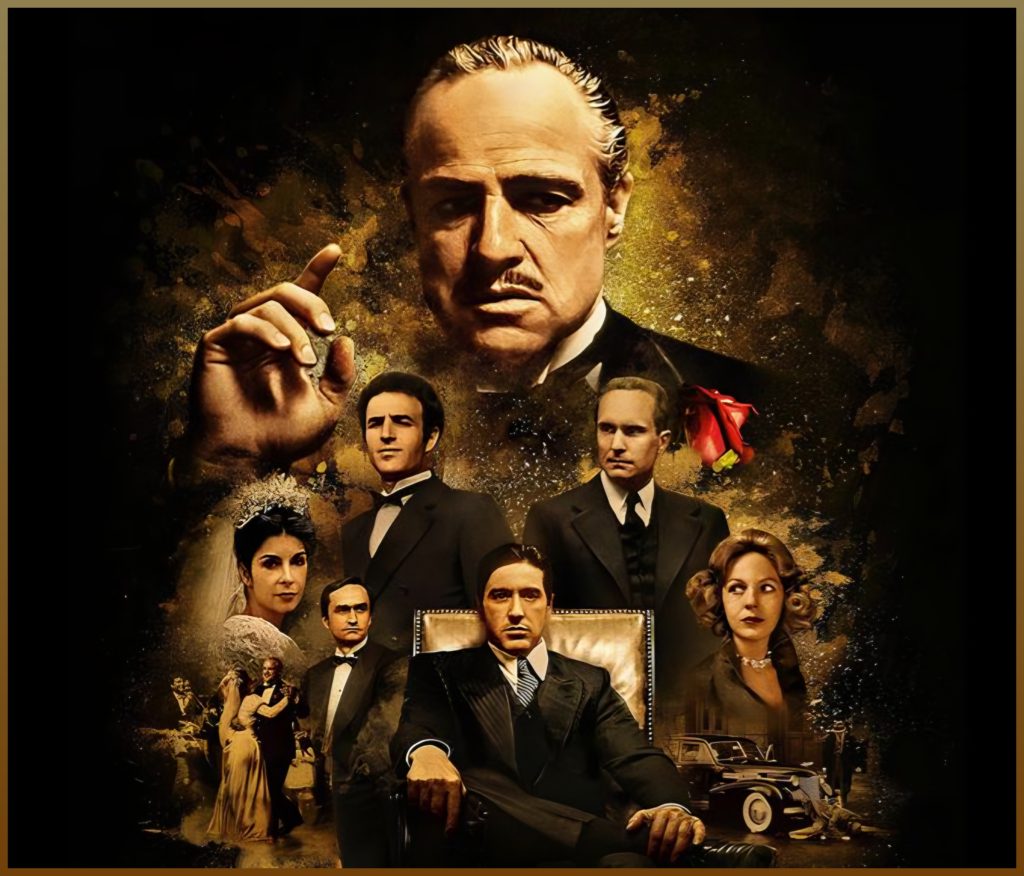
Joshi Rupak : If you are a modern entrepreneur trying to build a powerful brand, lead a strong team and survive in a competitive market, The Godfather is more than just classic cinema – it is a strategic guide disguised as a movie. Behind the drama and crime, the Corleone family operates like a disciplined organisation with clear values, long-term planning and strong leadership. When we remove the violence and illegality, we find powerful business lessons from The Godfather that today’s founders, freelancers and digital creators can apply in an ethical way.
1. Reputation Is Your Strongest Currency
Don Vito Corleone never advertises, but everyone knows who he is and what he stands for. People come to him because his reputation communicates power, reliability and influence long before he even speaks. In modern business, your reputation is the most valuable asset you own. It directly affects whether clients trust you, whether investors believe in you and whether partners want to work with you.
For entrepreneurs, this means consistently delivering what you promise, responding professionally even when things go wrong and treating every interaction as part of your long-term personal brand. A strong reputation turns cold leads into warm opportunities and makes your “yes” or “no” hold real weight in the market. When people say your name and think “reliable, trustworthy and effective,” your business naturally attracts growth.
2. Relationships Matter More Than Transactions
The Corleone family rarely looks at a situation as a one-time deal. Favors are tracked, loyalty is remembered and relationships are nurtured over many years. This is a powerful business lesson from The Godfather: real success comes not from quick sales, but from building a network of people who trust you and want to see you win.
In the fast-paced digital economy, it’s easy to chase quick profits, flash sales and short-term gains. But modern entrepreneurs who focus on relationship building – through genuine communication, fair collaboration and long-term support – create a powerful “family” around their brand. When you treat your early customers and partners like long-term allies rather than one-time paychecks, they become repeat buyers, referral sources and brand ambassadors. Strong relationships are a competitive advantage that money alone cannot buy.
3. Separate Emotion from Decision: “It’s Not Personal, It’s Business”
One of the most famous lines associated with The Godfather is the idea that “it’s not personal, it’s strictly business.” While real life is more emotional than the movie suggests, the core lesson is important: great leaders control their emotions instead of letting emotions control their decisions. In the film, the characters who make impulsive, emotional choices usually pay the highest price.
Modern entrepreneurs deal with criticism, refunds, bad reviews, difficult clients and competitors who copy their ideas. If every challenge triggers anger, ego or panic, it becomes impossible to lead clearly. Instead, you need to pause, breathe and look at the situation like a strategist, not like a victim. Make decisions based on facts, data, values and long-term impact, not on temporary feelings. When you stay calm and rational in tense situations, your team, clients and partners will trust your leadership much more.
4. Think Long-Term in a Short-Term World
The Corleone family always thinks beyond the present moment. They consider future generations, long-term territory, legacy and stability. They understand that not every opportunity is worth taking and that some quick gains can damage future power. This is a crucial business lesson for modern entrepreneurs who live in a world of instant gratification, viral content and fast money.
If you build your brand only for quick profits, you may exhaust yourself and lose direction. Instead, create a clear long-term vision: where do you want your business to be in five or ten years? What kind of identity do you want your brand to have? Once you are clear on that, you can choose offers, pricing, marketing and partnerships that support that vision instead of pulling you away from it. Long-term thinking leads to better decisions about investment, hiring, technology and strategy, while short-term thinking often leads to burnout and inconsistency.
5. Build a Strong “Family” Around You
Don Corleone is powerful, but he is never alone. He has a trusted consigliere, loyal sons, reliable capos and a defined structure. Everyone has a role and the organisation moves as one. For modern entrepreneurs, this translates into building a strong inner circle: co-founders, key team members, advisors, mentors and collaborators who share your values.
Trying to do everything alone might feel cheaper and safer at first, but over time it limits your growth. A high-performing business needs people who can take ownership of different areas – marketing, operations, finance, customer service, content – so that you, as the founder, can focus on vision, strategy and innovation. Surround yourself with people who are not just “yes-people” but trusted advisers who tell you the truth, challenge your thinking and help you see blind spots. Your team is your modern “family”; if you choose them wisely, they multiply your strength and protect your weaknesses.
6. Negotiate with Confidence and Strategy
In The Godfather, power is often expressed through negotiation. Deals are not begged for; they are shaped through leverage, timing and understanding of the other party’s needs. The famous idea of making “an offer he can’t refuse” reflects a deep understanding of persuasive power: knowing what matters most to the other person and structuring a deal around that.
Modern entrepreneurs often underprice themselves, accept unfair contracts or agree to conditions that drain their energy because they are afraid of losing the client. The business lesson from The Godfather is to negotiate from a place of clarity and confidence. Know the value you bring, understand the problem you are solving and be willing to say no when a deal does not align with your worth or your values. Good negotiation is not about manipulation; it is about finding a fair structure where both sides gain and the relationship can continue long-term.
7. Protect the Business with Boundaries and Risk Management
In the film, every big decision is weighed against one key question: does this protect or endanger the family? Some highly profitable opportunities are rejected because the risk to the family’s safety and long-term survival is too high. For modern entrepreneurs, this translates into having strong boundaries and smart risk management.
Not every client is a good client. Not every partnership is healthy. Not every fast trend is right for your brand. Protect your business by having clear contracts, written policies, financial plans and legal structures. Avoid unethical shortcuts that may damage your reputation later. Diversify your income streams so your entire business does not depend on one platform, one supplier or one big client. Think like a guardian of your “family business”: your company exists to support your life, your loved ones and your long-term dreams, so treat it with seriousness and respect.
Conclusion: Ethical Power, Not Crime
The Godfather is, of course, a story about crime, power struggles and moral compromise. Entrepreneurs should not copy its illegal actions, but they can learn from its intelligence, discipline and long-term vision. The real business lessons from The Godfather for modern entrepreneurs are about building a strong reputation, investing in relationships, controlling emotions, thinking long-term, assembling a loyal team, negotiating strategically and protecting what you are building.
When you apply these lessons ethically in your own business, you create a powerful combination: the strategic mindset of the Corleone family with the integrity and responsibility of a modern leader. In a noisy, competitive world, this combination can help your brand stand out, earn deep trust and build a legacy that lasts far beyond a single product or campaign.
About The Author


